
.png)
Christmas Marketing 2026: The Complete Guide for Brands
Have you started planning your 2026 Christmas marketing campaigns?
If your answer is no, time is ticking! But don’t stress, you’re in the right place to start. If you answered yes, but your “campaign” is a santa hat slapped on your logo and discount codes emailed out with some snowflake emojis, you might as well have said no.
This year everyone is exhausted by AI slop, and most of us are budgeting or being more selective about where we spend our money. The brands who will catch their audience’s attention (and keep it long enough to spend) are the ones that stand out while still staying true to their values.
This is a full, practical guide to Christmas marketing 2026. What's changed, and what still works, the brands that have done Christmas marketing badly, and the ones with ideas to inspire you.
Christmas marketing in 2026: what's changed
Most Christmas marketing tips you'll read this year are the same ones from 2019 with the date swapped out. Start early, post on socials, send emails, decorate your website. While these things are true, they don’t take into account the three things that have changed this year.
1. We’re in a cautious climate
Attest's 2026 UK Consumer Trends Report found that half of consumers describe their own spending as cautious and 72% say they're likely to switch to cheaper brands, while Deloitte's Consumer Tracker noted a three-year low in spending on non-essentials. Gifting, eating out, fashion and beauty are still getting budget, so people are still spending, they’re just being more deliberate about where.
2. Shopping starts earlier
And goes on for longer every year, from Black Friday to the January sales. This means your Christmas marketing strategy needs to be strategically planned across the holiday season that now lasts months rather than weeks.
3. AI fatigue is real
And it's affecting how people feel about brands. Your audience is bored of AI slop, and that’s exactly what Coca-Cola got so wrong about their last two campaigns.
AI Christmas campaigns are creepy and soulless
For two years running, Coca-Cola released AI-generated versions of its famous "Holidays Are Coming" Christmas ad. The 2024 version was just objectively terrible with uncanny, glitchy visuals. So in 2025 they ignored everyone’s feedback and did it again. And people hated it again. They seemed to think more advanced AI would fix the problem, openly admitting to using less people to create the 2025 ad, like that was something to be proud of at a time when many creative jobs were on the line.
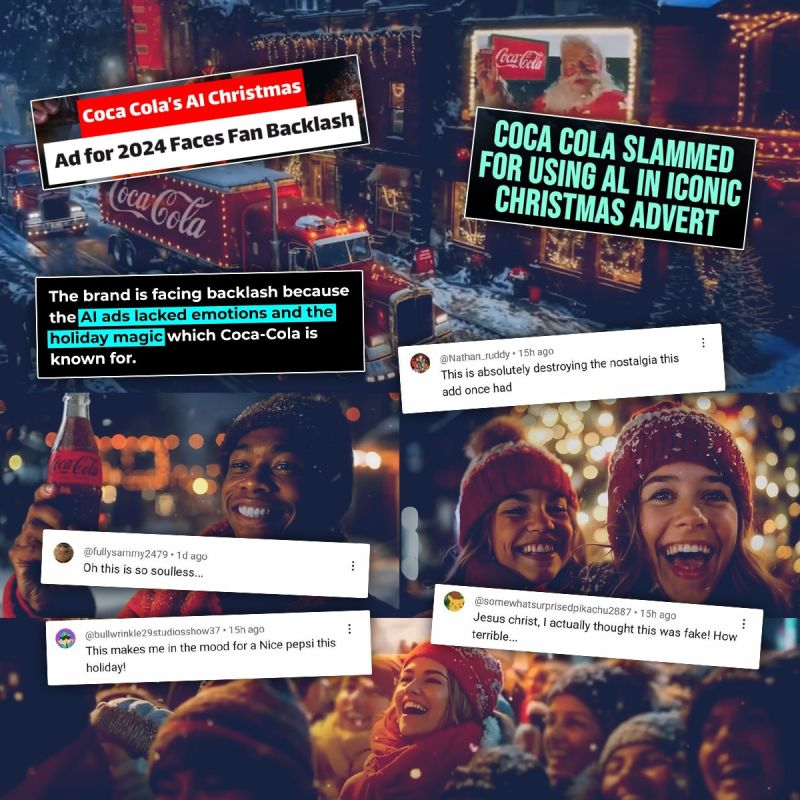
When you choose AI over people, two years in a row, for the one campaign that is about a very human holiday you are going to lose your audience’s interest and trust. Coca-Cola originally built their brand values on human connection; their ads used to show people socialising, drinking a coke together. A Christmas advert is supposed to feel nostalgic and warm, and using generative AI in a creepy and cheap-looking way had the opposite effect. These ads (and now Coca-Cola’s complicity in the genocide in Palestine) sparked boycotts that have led many to buy our coke elsewhere.
Only 7% of consumers say visible AI-generated content in marketing makes them trust a brand more, while 31% say it makes them trust the brand less. We’ve said many times that Gen Z hate performatism, and this links into their distrust of AI; Gen Z’s negative feeling toward AI ads is nearly double that of Millennials.
We would ask any company creating Christmas marketing posts or campaigns with generative AI, why they’re choosing this route. It might be cheaper and more efficient, but Christmas centres human connection. People come together to celebrate, share food and gifts, and spend time with the people they love. Substituting human creativity for AI at this time of the year feels soulless and risky. We’re not saying don’t use AI in any form, but you need to be using it the right way, and if you’re not sure how, we wrote an article on how to do it.
Start with your brand and build from there
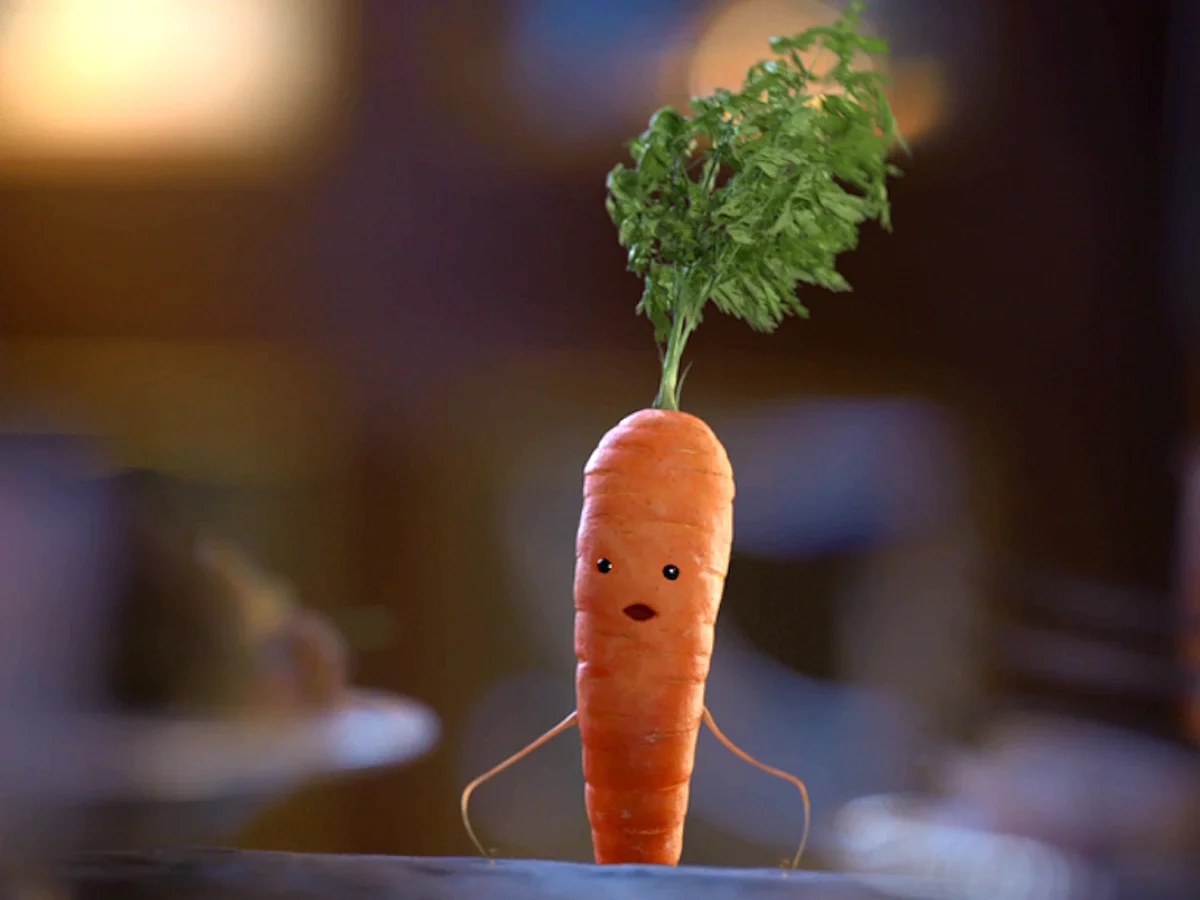
Your Christmas campaigns, like any marketing, need to be recognisably you. Look at Aldi’s Kevin the Carrot; people immediately recognised the brand from Kevin’s 10th anniversary campaign, which overtook Sainsbury’s as the most recognised Christmas advert. John Lewis is a brand that does this every year. Their 2025 If you can't find the words, find the gift campaign was no exception; you know it’s them within seconds of the music starting.
But if you don’t have a major retailer budget, this can take a little more work. Start by building a distinct creative direction and a platform you can own. That means getting the foundations in place first, then creating something you repeat every year until it becomes familiar to your audience. It doesn’t need to be an expensive TV ad; it could be an annual social series, a giveaway your customers look forward to, or some other recurring piece of content.
Christmas content is often so perfectly polished that it starts to look like the same tinsel-trimmed soft-focus frames. What if your festive content had a bit of an edge to it, was a bit more relatable, and radically authentic to your brand.
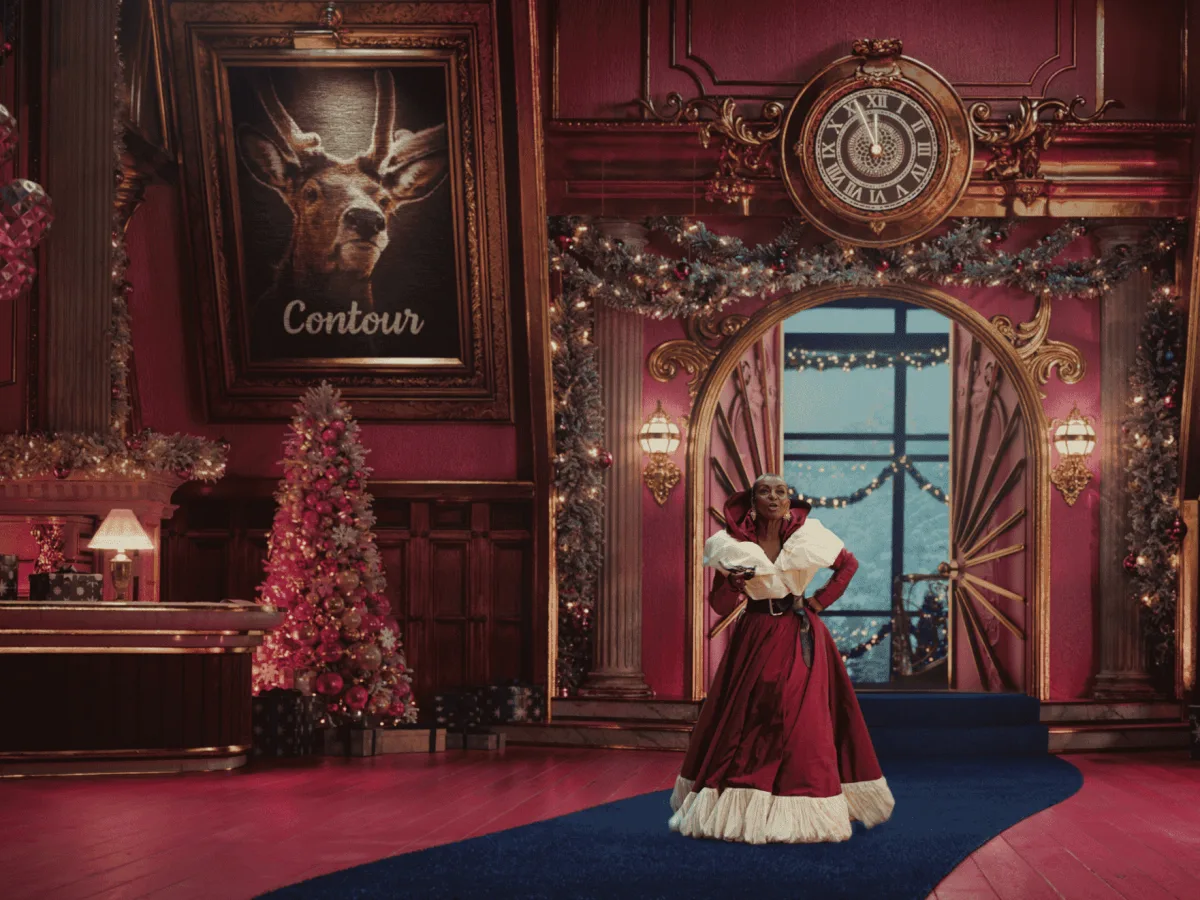
A brand that did this well was Boots in its 2024 The Christmas Makeover campaign, featuring Bridgerton star Adjoa Andoh as Mrs Claus leading elves in her “werkshop”. It worked because it turned the tired trope of Santa’s workshop into a fierce women-run operation nodding to the labour women do behind the scenes of the festive season. It resonated with the queer community as well, as it represented and co-created with them, using trans actors and non-binary pronouns.
The important thing is that it’s right for your brand, reflects your values, and stays consistent. Kevin works because Aldi didn’t reinvent him every year and stayed authentic to their image. If you want to learn more about the importance of authenticity, we wrote about it here.
Your Christmas marketing timeline
When it comes to holiday marketing the earlier the better. Start planning around August or September and launch mid-October to November, depending on your category. Fast-moving consumer goods can peak closer to December, but higher-consideration or B2B purchases need more time. Build a marketing calendar with your key dates: campaign launch, promotional windows, shipping cut-offs, and your post-Christmas and New Year activity.
Black Friday kicks things off, and how you handle it sets the expectations for the rest of the season. We’ve written more about Black Friday marketing ideas that build your brand, but slashing your prices is no longer enough to draw your customers in (and can actually hurt your brand perception). Then the main event through December, followed by Boxing Day and the January sales, which are prime time for clearing seasonal stock and turning one-off holiday shoppers into repeat customers. Keep communicating after Christmas is over; thank yous, new year messages, follow ups are all easy ways to stay on your audience’s mind.
Christmas marketing ideas that work in 2026
These are the Christmas marketing ideas for both small businesses and big brands that still work in 2026
Gift guides and gift finders
Everyone loves the feeling of your loved one pulling the paper off your carefully wrapped gift, but actually choosing the right present can increase the Christmas stress. An interactive gift finder that asks a couple of questions and recommends gift bundles takes the pressure off your customers and works well for last-minute marketing. Segment by budget ( under £25) or by person (for the one who has everything).
Christmas email marketing
Good Christmas email marketing in 2026 should be useful, well-timed messages, not spammy discount deals. Use a clear email campaign structure, personalise with real segmentation based on past behaviour, write subject lines that pique curiosity, and use a countdown timer for shipping deadlines.
Christmas social media ideas
Christmas is a time for human connection. Hanging the last ornament together on the tree, catching up with second cousins, sharing stories around the dinner table. Brands can bring that storytelling to social media, showing your audience a glimpse into what Christmas time means for your brand and the people behind it. Behind the scenes and personal content works especially well at this time of year.
Run a social media contest or giveaway that asks users to share their own photos, and reshare user-generated content to bring your customers into the campaign. And if you're working with creators, choose influencer marketing partners whose audience overlaps with yours and who care about your products. Short video content or reels on Instagram and TikTok work better than standalone posts, and whatever you do, please stop with the AI-generated captions. We wrote more about social media strategies that work for the Christmas period and beyond.
Paid and PPC
Search behaviour becomes shorter, more urgent, and with higher intent around Christmas. Adjust your PPC and Google Ads for seasonal queries, like “stocking fillers for” and "last-minute gifts", add urgency with stock and shipping info, and retarget the browsers who didn't buy. Create a festive landing page and make sure it’s fast and mobile-friendly; your conversion rate will plummet if your customers can’t easily find or buy what they need.
Promotions, bundles, and gift cards
Flash sales, curated gift bundles, gift cards, and free shipping can all draw in customers, but just make sure they don’t come off as spammy or become the only thing you rely on. Things like festive limited edition products, scratchcards, advent calendar reveals, and countdown timers can work for certain brands. If you have a physical presence, an in-store event or pop-up shop creates IRL excitement and helps increase local brand awareness.
Discounts aren’t always the best option
Discount codes can work. Or they can backfire and teach your customer that the value of your product is the 60% off price. If people know they can wait until Black Friday or Boxing Day to get a huge deal, why would they buy the same thing at a higher price? Remember that 72% of consumers are likely to switch to cheaper brands.
Your customers want value, but think about how you can treat them without slashing your own. Run a collaboration, host an event, add gifts to purchases, or give early access that rewards loyalty and builds community. Discounts get sales, sure, but the brand builds your customer base. We talk more about this in our article on why brand is back and performance marketing is plateauing.
Measure what works, then plan for next year
While running your campaigns, make sure you measure analytics to improve for next year. Keep an eye on which channels drove customers, which posts performed well, which subject lines convinced clicks and at which point people dropped off before purchasing. Track your website traffic, email open rates, social engagement, and ROI by channel and note it all before you take the mistletoe down.
Whatever route you go down for your 2026 Christmas marketing campaigns, the most important advice we can give you is to keep it relevant to your audience, authentic to your brand values, try something creative or a little unhinged, and please, please use people. Find the thing that your brand can own and build campaigns and community around it.
We love festive work at IAF*; it’s a chance to creatively challenge ourselves and our clients to reach audiences in new ways. If you have specific Christmas advertising ideas in mind, we’d love to hear them, or if you haven’t yet given a thought to your holiday marketing, we can help. Book a call with us today.


Go on… steal all of our brilliant ideas


Go on… steal all of our brilliant ideas
Fancy some emails you’ll actually want to read? Sign up for our newsletter and we’ll slide into your inbox with insights on how you can make your brand hotter than Dante's inferno.